The Nigerian Independent System Operator (NISO) has officially launched a large-scale digital automation initiative aimed at transforming the country’s electricity grid, enhancing real-time monitoring, boosting reliability, and strengthening operational efficiency.
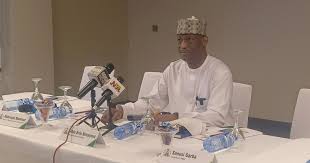
The announcement was made on Tuesday at a brand unveiling ceremony in Abuja, where NISO Managing Director, Abdu Muhammed, said the ambitious project is being implemented in collaboration with Chinese technology giant Huawei.
“This is the kind of innovation that transforms an institution from being reactive to becoming proactive,” Muhammed said. “It will enable us to see our grid in real-time, anticipate issues before they become crises, and respond with the agility of a digitally driven system.”
At the heart of the project is the deployment of modern digital infrastructure, including smart data analytics platforms, real-time visibility tools, and a cutting-edge Supervisory Control and Data Acquisition/Energy Management System (SCADA/EMS). These upgrades are expected to significantly reduce downtime, improve grid stability, and streamline decision-making processes across Nigeria’s national electricity network.
A New Era of Independent Oversight
NISO, which became fully autonomous under the Electricity Act of 2023 following its separation from the Transmission Company of Nigeria (TCN), is now operating with its own legal identity and strategic mandate. Muhammed described this shift as both a “responsibility and an opportunity” to restore trust in the country’s energy supply chain.
“We are not an appendage. We are a principal actor in the electricity sector,” he said. “Our role is to ensure fairness to all players — Distribution Companies, Generation Companies, eligible customers, and other market participants.”
The MD emphasized that NISO’s approach going forward will be professional, neutral, and transparent, reaffirming its commitment to operate without bias in the evolving power market.
“Every great institution has a moment when it defines itself clearly, boldly, and unapologetically. This is that moment for NISO,” Muhammed declared.
Regional Expansion and On-Site Accountability
In addition to overseeing Nigeria’s grid, Muhammed revealed that NISO is expanding its influence across West Africa through active collaboration with the West African Power Pool (WAPP).
“With organisations like WAPP, we are no longer just observers. We are contributing as allies in regional electricity planning,” he said.
He also offered updates on the progress of the SCADA/EMS implementation, noting recent field inspections at substations in Gwagwalada and Katampe, a reflection of NISO management’s hands-on approach to oversight.
“Our management team does not rely on assumptions from the boardroom. We go to project sites, engage with field teams, and ensure that what is on paper matches what is on the ground,” Muhammed added.
Toward a Resilient Power Future
With Nigeria still grappling with chronic power outages and underperformance across its electricity value chain, the automation project represents a potentially transformative step. Analysts believe the digitisation of grid operations could help address inefficiencies, reduce systemic losses, and lay the groundwork for better service delivery.
“NISO’s mandate goes beyond technical grid coordination,” the MD said. “The agency exists to provide a neutral, transparent platform that ensures fairness for all participants in the electricity market.”
Concluding his remarks, Muhammed stated that trust would be key to Nigeria’s electricity future—and that NISO is ready to lead by example.
“The future of Nigeria’s electricity supply depends on trust. That trust begins here with us. Together, we are NISO, and together, we will deliver.”



Leave a Reply