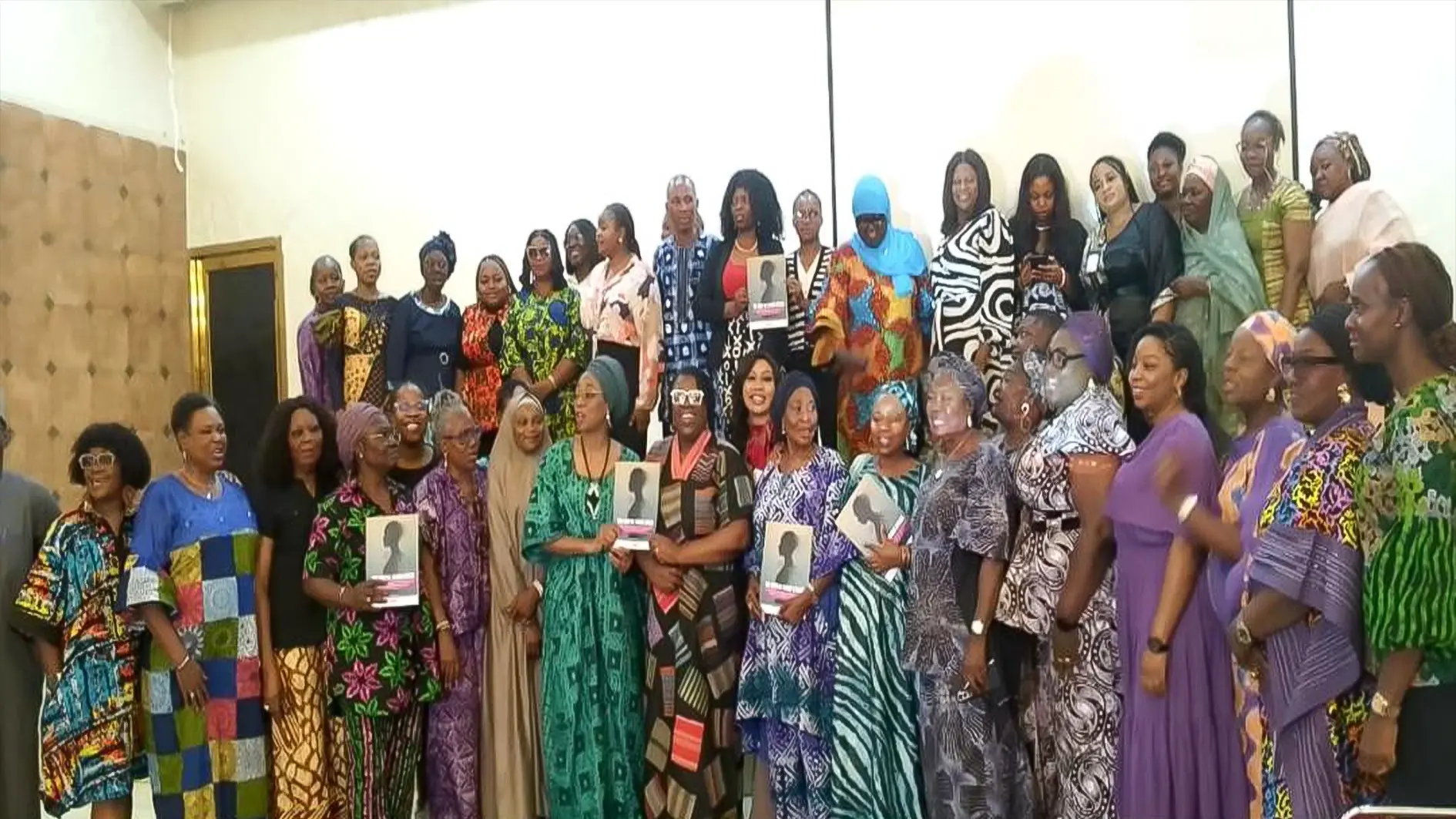
The Women Advocates Research and Documentation Centre (WARDC), in collaboration with key legal institutions, has launched a multi-year research initiative aimed at addressing structural and systemic challenges affecting the career progression of female law academics in Nigeria.
The project brings together 12 faculties of law across Nigeria’s six geopolitical zones, alongside the Nigerian Law School and the Nigerian Institute of Advanced Legal Studies, with its official flag-off held at an inception meeting hosted by the Faculty of Law, University of Lagos.
Speaking at the event, the Director-General of the Nigerian Institute of Advanced Legal Studies, Abdulkadir Abikan, said the initiative was necessary due to long-standing institutional barriers faced by women in legal academia.
He noted that although female academics follow the same promotion processes as their male counterparts, many face additional challenges such as marriage, childbirth, and childcare responsibilities, which are not adequately reflected in existing academic policies.
Abikan warned that without deliberate reforms, fewer women may pursue academic careers in law. He called for policy adjustments such as workload reduction during critical life periods and better recognition of such periods in performance evaluations.
He added that the institute would provide research and institutional support to ensure the initiative produces data-driven reforms.
The Dean of the Faculty of Law, University of Lagos, Prof. Abiola Sanni (SAN), described the project as a “multi-stage intervention” aimed at reshaping academic advancement structures in the legal field.
According to him, the initiative seeks to develop a new framework that addresses barriers limiting women’s career growth in academia, despite equal qualifications and entry timelines with their male counterparts.
Sanni highlighted disparities in promotion trajectories, noting that in many cases, male academics advance faster than their female colleagues even when they share similar academic qualifications.
He also pointed out that institutions such as the University of Lagos have made some progress due to their diversity but stressed the need for more structured interventions, including childcare facilities and improved housing support for young female academics.
The President of the Nigerian Association of Law Teachers, Prof. John Akinsanya, also expressed support for the initiative, stressing that female academics face unique biological and social challenges that must be considered in policy development.
He emphasised the importance of ensuring that childbirth and caregiving responsibilities do not become obstacles to professional advancement.
Akinsanya also called for stronger mentorship systems and institutional childcare support, noting disparities in female representation across universities in Nigeria.
Participants at the meeting agreed that beyond advocacy, the initiative aims to deliver measurable reforms that will improve gender inclusion and strengthen career advancement pathways for women in legal education across the country.



Leave a Reply