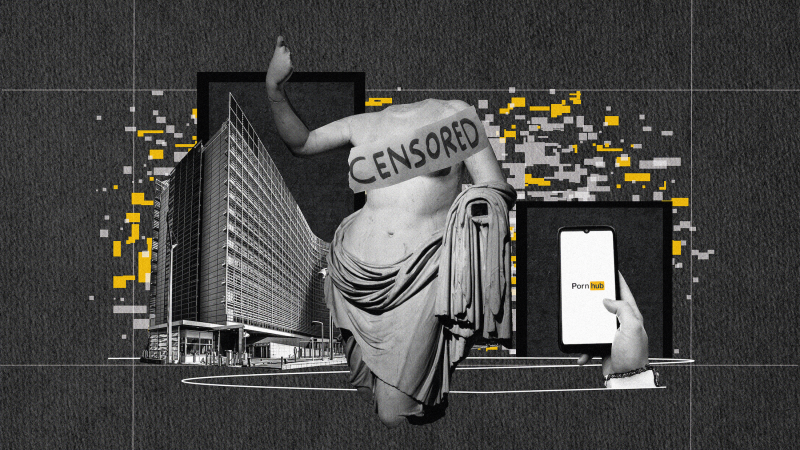
Brussels, Belgium – September 19, 2024 – Stakeholders from the adult industry are calling for greater representation in the formulation of artificial intelligence (AI) regulations to better safeguard the rights of content creators and address emerging challenges such as AI-generated pornography, deepfakes, and age verification issues.
The Digital Intimacy Coalition, an organization dedicated to advocating for privacy and sexual expression in digital spaces, has launched an initiative named Open Mind AI. The coalition submitted an open letter to the European Commission on September 19, urging the inclusion of adult industry representatives in upcoming AI policy discussions.
The push for regulatory involvement follows recent debates triggered by EU lawmakers who advocated for decriminalizing prostitution while penalizing purchasers. This has intensified discussions between sex workers and European Parliament members. Ana Ornelas, an erotic writer and pleasure activist leading the initiative, emphasized the unique insights that industry professionals possess, which could inform more effective regulation.
“There is a significant knowledge gap when those working in the porn industry, who understand user behavior and trends, are excluded from regulatory discussions,” Ornelas told Euractiv. She argues that comprehensive engagement, including round tables and consultations with industry experts, is essential for crafting effective policies.
The current regulatory focus has predominantly been on Big Tech platforms, often neglecting the nuanced needs and perspectives of the adult industry. Alessandro Polidoro, an independent lawyer and leader of the coalition, highlighted the necessity of defining and distinguishing between sex education, erotic art, and pornography to improve policymaking.
Paulita Pappel, an adult filmmaker and co-founder of Lustery, commended the UK’s Ofcom for its consultative approach with the adult industry. Pappel emphasized that such models could serve as a template for more inclusive regulatory practices in Europe.
Pornhub Challenges Disclosure Requirements
In related developments, Aylo, the parent company of Pornhub, has appealed to the Court of Justice of the European Union (CJEU) against disclosing users’ real names in its ad repository under the Digital Services Act (DSA). Aylo contends that such disclosure could jeopardize the safety of advertisers, including content creators and performers.
While acknowledging the importance of protecting sex workers, Polidoro criticized Aylo’s appeal as a potential stalling tactic. “It’s crucial that platforms like Pornhub address safety concerns, but we must also ensure that they adhere to regulatory requirements,” he stated.
Pappel noted that while Pornhub’s concerns are valid, large platforms often fail to prioritize the well-being of performers, focusing instead on compliance.
Chatbot Censorship and Deepfake Concerns
Industry stakeholders are also grappling with AI-related challenges. Ornelas reported difficulties using AI chatbots for research and content creation due to restrictive policies, highlighting a conflict between content policies and academic inquiry.
Conversely, unrestricted AI models sometimes lead to the dissemination of harmful content, including racist and hateful material. Additionally, non-consensual deepfake pornography, which violates both personal privacy and GDPR regulations, is a growing concern. The upcoming Directive on combating violence against women and domestic violence aims to criminalize the non-consensual sharing of intimate or manipulated material.
XNXX Designated Under EU Digital Rulebook
On July 10, the European Commission designated XNXX as a very large online platform under the DSA, imposing strict regulations on the site. This move is part of a broader effort to enforce compliance and protect users from harmful content.
Protecting Vulnerable Populations
Both Pappel and Ornelas agree on the importance of safeguarding children from accessing inappropriate content. However, they argue that adult content creators, often overlooked, also require protection. Ornelas emphasized the need for a mature dialogue that acknowledges the existence of adult content without succumbing to moralistic biases.
“This is an opportune moment to enhance transparency and protect all stakeholders within the industry,” Pappel concluded. The call for inclusive regulatory practices reflects a broader push to address the complexities of digital content and ensure fair treatment for all involved parties.



Leave a Reply