The discussion around artificial intelligence (AI) often lacks nuance, with proponents emphasizing its potential benefits while others express concerns about its potential harm. However, as AI models like ChatGPT transition from novelty to business tools, many tech startups are grappling with how to effectively and safely utilize AI. To shed light on the topic, TFN recently interviewed six founders to gather their views on AI adoption and their expectations for the future.
Diverse Adoption of AI
Among the founders, the adoption of AI varies, with some cautiously exploring its potential and others fully embracing its benefits. Nectaro, a loan investment platform, has implemented ChatGPT as an effective tool to optimize time spent on routine tasks. According to CEO Sigita Kotlere, the implementation has improved creativity and decision-making speed within the company. On the other hand, Cordless, a customer service telephony provider, utilizes ChatGPT to gain insights into customer conversations. This allows them to proactively respond to customer queries and identify trends.
Navigating the Risks of AI
While startups acknowledge the potential for AI to make mistakes, they prioritize implementing safeguards to mitigate risks. Martin Kōiva, founder and CEO of Klaus, a customer service and quality assurance app, ensures that AI models remain within controllable bounds by implementing practical and engineering solutions. Other founders highlight the need for regulations to prevent negative outcomes, such as illegitimate data-sharing or misuse of AI technology. Ed Thompson, CTO at Matillion, emphasizes the importance of establishing guardrails for generative AI to safeguard against potential abuses.
Impact on Jobs and the Workforce
One of the primary concerns surrounding AI is its potential to replace human jobs. While acknowledging that the job market will evolve, founders believe that reskilling and upskilling will be crucial. Rather than replacing humans, AI is seen as a tool that can enhance the capacity and efficiency of specialized teams.
For example, Klaus’s Kōiva emphasizes using ChatGPT to automate repetitive tasks, allowing customer service teams to focus on complex tasks requiring human judgment. Cordless’ CTO, Irina Bednova, envisions AI as an employee assistant, enabling workers to achieve more by automating mundane tasks and freeing up space for creativity and human interaction. However, Ally Fekaiki, founder and CEO of the employee benefits platform Juno, urges caution regarding the projected job losses to AI, emphasizing the importance of ethical AI use and collaborative efforts to address the challenges.
The Ongoing Need for Human Involvement
Despite the advancements in AI, all the founders agree that humans will always have a crucial role to play. While AI excels at data analysis, pattern recognition, and repetitive tasks, it lacks creativity and judgment. The founders recognize the irreplaceable human touch, particularly in understanding context and making nuanced decisions. They highlight that certain areas will remain the domain of humans, such as creative outputs, tasks requiring emotional intelligence and empathy, and ethical decision-making. However, some believe that AI, like ChatGPT, can empower individuals by breaking down barriers and providing tools for creativity, especially for those lacking access or technical training.
Harnessing the Power of AI
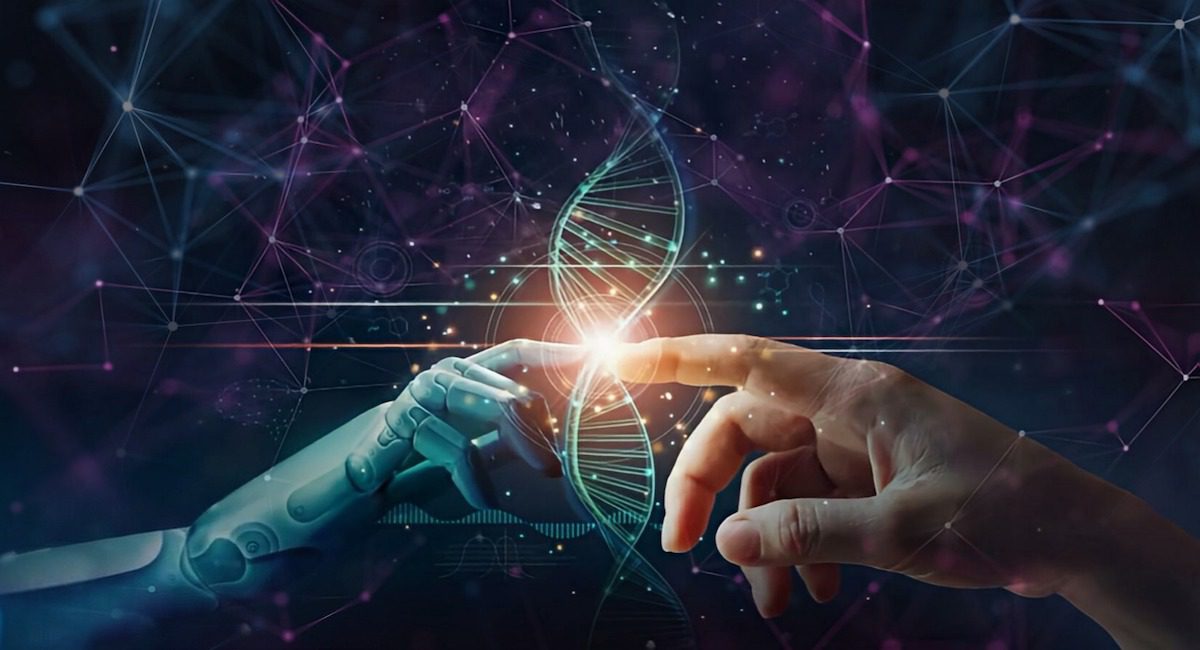
As AI continues to advance, the consensus among founders is that it should augment human capabilities rather than replace them. By understanding the limitations and strengths of AI, businesses can leverage its power to enhance efficiency, creativity, and innovation. Responsible implementation and a harmonious integration between humans and machines are key to unlocking the full potential of AI while preserving human expertise and creativity.
Overall, the views of these founders provide valuable insights into the complex relationship between tech startups and
AI. While acknowledging both the potential and risks associated with AI, it is clear that tech startups are finding ways to navigate this evolving landscape.
Looking ahead, the consensus among the founders is that responsible implementation and ethical use of AI are paramount. They emphasize the need for regulations and guardrails to prevent misuse and negative outcomes. Additionally, they stress the importance of ongoing dialogue and collaboration between businesses, regulators, and AI developers to ensure that AI technologies align with the broader goals of society.
Despite the advancements in AI capabilities, the founders unanimously agree that humans will always have a crucial role to play. They highlight the irreplaceable qualities that humans bring to the table, such as contextual understanding, creativity, emotional intelligence, empathy, and ethical decision-making. While AI can automate repetitive tasks and provide valuable insights, it cannot fully replicate human intuition and judgment.
Moreover, some founders see AI as a tool that can empower individuals, particularly those who may lack access to high-end tools or technical training. By breaking down barriers and providing innovative solutions, AI can enable individuals to unleash their creativity and contribute to society in meaningful ways.
In conclusion, the relationship between tech startups and AI is a complex one. While startups are increasingly adopting AI technologies to enhance efficiency and innovation, they also recognize the importance of responsible implementation and preserving human expertise. By leveraging the strengths of AI while valuing human skills, tech startups can harness the power of AI to drive positive change and create a harmonious integration between humans and machines in the future.



Leave a Reply