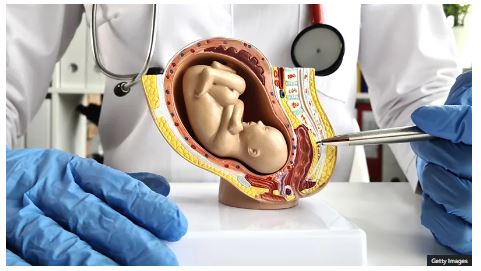
Scientists at the Children’s Hospital of Philadelphia (CHOP) are developing an artificial womb, referred to as an extra-uterine environment for newborn development (Extend), aimed at improving survival rates for extremely premature infants. This innovative technology could revolutionize neonatal care, but it raises significant ethical considerations before human trials can commence.
The Technology and Its Potential Impact
The Extend technology is designed to support infants born significantly premature, helping them continue their development in a fluid-filled pod that mimics the amniotic environment. This approach could protect premature infants from severe health challenges often encountered due to underdeveloped organs, such as lungs, heart, and brain.
Current neonatal care advancements have significantly improved survival rates for premature infants, with 30% of 22-week-gestation patients surviving with intensive care. However, infants born around 22 to 23 weeks often face severe long-term health issues, such as necrotizing enterocolitis, sepsis, cerebral palsy, and chronic lung disease.
The Role of Artificial Wombs
The artificial womb aims to eliminate the need for invasive ventilation, which can cause lung damage in premature infants. By allowing the fetus to develop in a fluid environment, the technology can potentially reduce the risk of bronchopulmonary dysplasia and other complications arising from traditional neonatal care methods.
Three main groups are working on this technology, each with slight variations:
- CHOP’s Fluid-Filled Pods: Led by fetal surgeon Alan Flake, this system uses the fetal heart to pump blood through an ECMO-like device, maintaining normal development.
- University of Michigan’s Artificial Placenta: George Mychaliska’s team fills the infant’s lungs with a specially developed fluid and uses an ECMO machine to oxygenate the blood.
- Australia and Japan’s Eve Therapy: Aimed at treating more premature and sick fetuses, this system maintains the fetus in a physiological state for extended periods.
Ethical Considerations
Despite the promising potential, several ethical issues need to be addressed before human trials can begin. These include:
- Informed Consent: The technology requires immediate transfer of the baby from the mother to the device, necessitating early Caesarean sections that could impact future pregnancies and have more associated risks compared to vaginal births.
- Assessment of Conventional Therapy: The need to transfer infants immediately to the Extend system leaves no opportunity to evaluate how they might have fared with traditional therapies, posing risks of untested technology on potentially viable infants.
- Risk Stratification: Unlike the other two technologies, Mychaliska’s system allows for post-birth risk assessment, enabling physicians to determine the sickest infants who would benefit most from the treatment, while others can initially receive conventional care.
- Parental Decision-Making: Parents facing the distressing scenario of premature labor might be inclined to opt for experimental technology out of desperation, highlighting the need for careful ethical counseling and informed consent processes.
Future Prospects
CHOP has applied to the FDA for permission to begin human trials of Extend, with hopes to start in the near future. Mychaliska’s team aims to begin trials within three to four years after further miniaturizing their system. However, Kemp’s team emphasizes the need to fill fundamental knowledge gaps about fetal growth in artificial environments before moving to human trials.
The initial participants in these trials will likely be infants born before 24 weeks, who have a poor chance of survival with conventional treatments. The technology could revolutionize the field of prematurity if successful, offering a lifeline to parents and improving outcomes for extremely premature infants.
While the potential benefits are immense, the ethical challenges must be carefully navigated to ensure the safety and efficacy of artificial womb technologies in clinical practice.



Leave a Reply