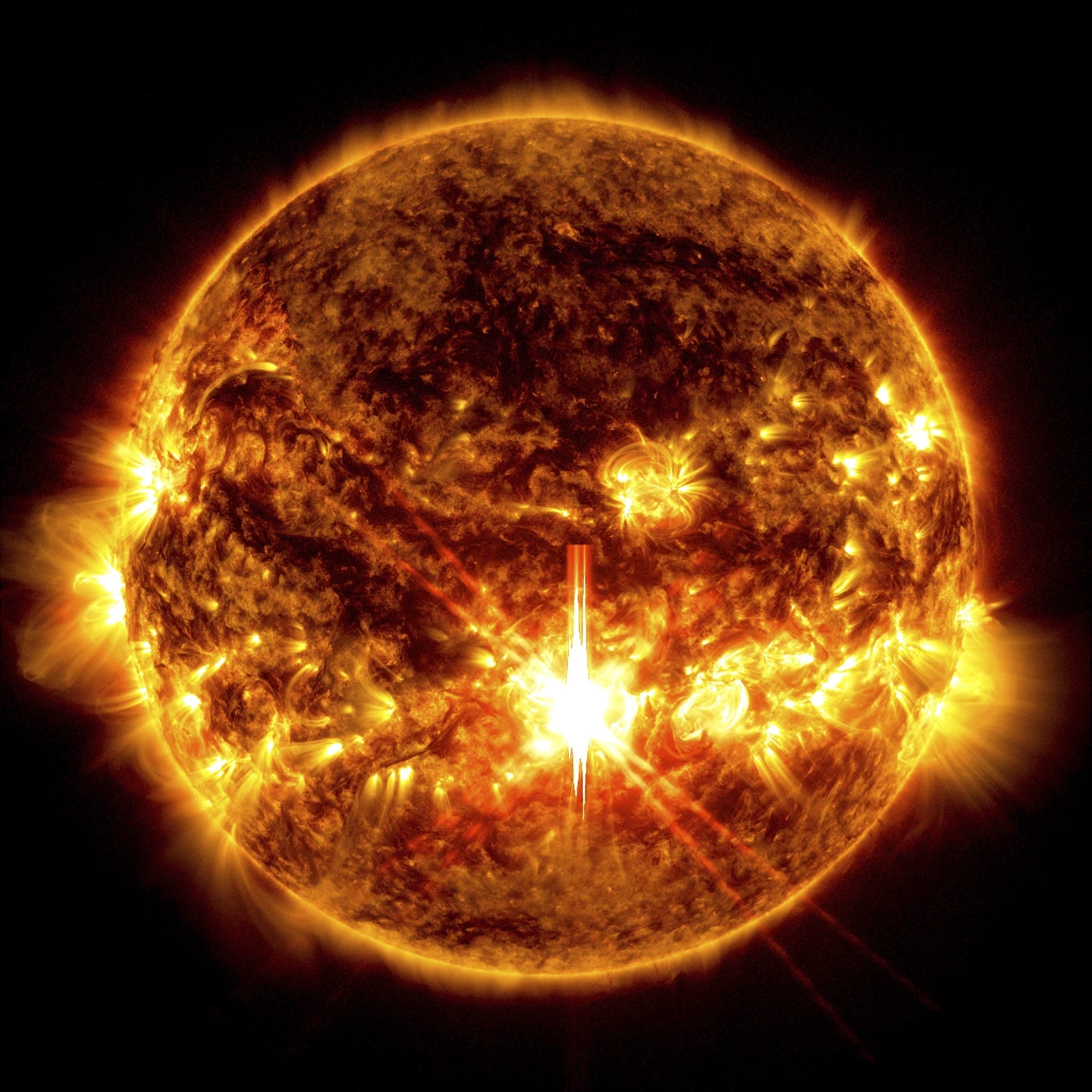
A severe solar storm is expected to hit Earth, potentially causing disruptions to power grids and radio signals at a time when the U.S. is already grappling with back-to-back hurricanes. Space weather forecasters at the National Oceanic and Atmospheric Administration (NOAA) issued a severe geomagnetic storm watch for Thursday into Friday following an outburst from the sun earlier this week.
Power Grid Concerns Amid Hurricane Recovery
NOAA has alerted power plant operators, satellite controllers, and the Federal Emergency Management Agency (FEMA) to prepare for possible impacts from the solar storm. This warning comes as FEMA is already responding to the devastation caused by Hurricane Helene and preparing for Hurricane Milton, which is approaching Florida from the Gulf of Mexico. With millions of people still recovering from the hurricanes, a solar storm could further stress the already fragile power grid.
Possible Disruptions to Power and Communications
A severe solar storm, also known as a geomagnetic storm, occurs when solar winds and magnetic fields interact with Earth’s magnetosphere, causing fluctuations that can disrupt power and communication systems. These storms can temporarily interfere with radio signals and GPS systems, and in more extreme cases, lead to power outages.
NOAA’s Space Weather Prediction Center has notified operators of orbiting spacecraft to take precautions, and power grid operators have been advised to be on high alert. While solar storms can have significant effects, the scale of the impact won’t be known until the storm is closer to Earth—about 1 million miles (1.6 million kilometers) away.
Comparing Solar Storms: May’s Record Event
Forecasters believe that the upcoming solar storm is unlikely to surpass the intensity of the solar event that hit Earth in May, which was the strongest in more than two decades. However, experts won’t know for certain until they receive more detailed measurements as the storm approaches.
In Florida, which is bracing for Hurricane Milton, scientists say the state is far enough south to avoid the worst effects of the solar storm unless its intensity increases significantly. “Florida is far enough south to avoid any power disruptions from the solar surge unless it gets a lot bigger,” said Rob Steenburgh of NOAA’s Space Weather Prediction Center.
Conclusion
As the U.S. contends with the devastating impact of recent hurricanes, the incoming solar storm adds an additional layer of concern for power grid operators and emergency management teams. While significant disruptions are not expected in southern states like Florida, the possibility of power and communication interruptions elsewhere in the country remains. NOAA will continue to monitor the storm’s trajectory and update precautions as necessary.



Leave a Reply