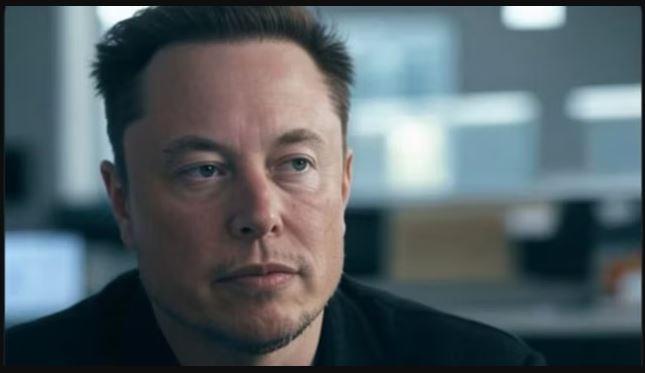
In a significant move to expand the capabilities of Grok AI, Elon Musk recently introduced Aurora, an advanced image-generation model by xAI, to all X users. The new feature, which was made available via the Grok assistant, allows users to generate highly realistic images, including depictions of famous personalities and copyrighted characters. However, shortly after its release, some users reported losing access to Aurora, with the cause of the issue still unclear.
Aurora is an enhanced version of xAI’s first image-generation model, launched in October 2024, and it offers fewer restrictions than its predecessors. Users can now generate images based on almost any prompt, with a watermark placed on each image to ensure transparency. Early content generated by Aurora showcases its ability to produce lifelike images with photo-realism, even involving controversial themes like violence and depictions of digital intellectual properties—areas typically restricted by other AI image generators.
Elon Musk took to X to confirm that Aurora is still in its beta phase and promised rapid improvements. “Just the beta version, but it will improve very fast,” he tweeted. Despite its early-stage status, Aurora has already impressed many with its capabilities, including the creation of digital images of Tesla’s Cybertruck and the Tesla Semi.
The accessibility of Aurora varies depending on user tiers. Free X users are limited to three image generations per day, while Premium subscribers can generate an unlimited number of images. The introduction of Grok 2 and Aurora has sparked significant excitement in the AI community, with users sharing striking examples of the images generated.
In addition, TechCrunch reports that xAI may be working on a stand-alone Grok app, potentially powered by the upcoming Grok 3, following a successful $6 billion funding round. This development signals an exciting future for Grok and its image-generation capabilities.



Leave a Reply