April 14, 2025 – San Francisco, CA
As smart home devices become increasingly mainstream, technology media giant CNET has released a comprehensive Smart Home Cheat Sheet aimed at helping users maximize their investments in connected living.
The guide leverages over a decade of CNET’s expertise in testing and reviewing smart technologies, from the earliest Amazon Echo devices to the latest multi-platform home automation systems. With the smart home market expanding rapidly in 2025, the cheat sheet offers consumers a clear roadmap to understanding, deploying, and optimizing their devices.
Evolving Beyond Gimmicks
Once dismissed as novelty gadgets, smart home products now serve as essential tools for convenience, energy efficiency, and security. “Smart home technology is here to stay,” the guide states, emphasizing how even users who haven’t actively pursued smart home upgrades likely own devices that support connected features.
The guide comes amid increasing competition among tech giants including Amazon, Google, and Apple — each vying for dominance in the smart home space. Apple, for instance, is reportedly developing its own Bluetooth and Wi-Fi chips and a new HomePod featuring a display.
Best-in-Class Device Picks
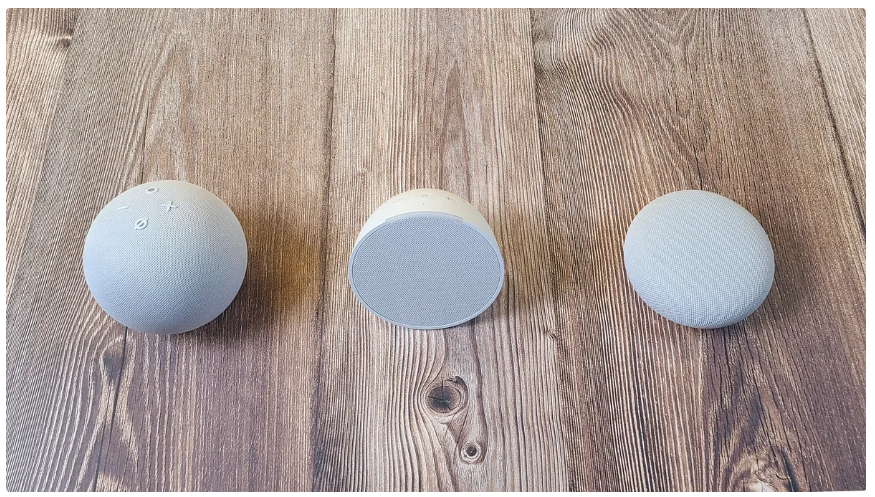
CNET breaks down its recommendations by ecosystem, helping users choose between Amazon Alexa, Google Assistant/Nest, and Apple HomeKit — each catering to specific user needs and preferences.
For those looking to skip voice assistants altogether, CNET also highlights high-performing smart devices from independent brands. Popular device categories include smart speakers, displays, plugs, and budget-friendly gadgets that can instantly upgrade the functionality of existing home items.
Cost and Placement Strategies
Addressing a common concern, the guide outlines the real costs associated with building a smart home — cautioning users to avoid overinvesting without a clear plan. Detailed cost breakdowns are available for both Alexa and Google-based setups.
The guide also underscores the importance of device placement. Beyond aesthetics, strategic positioning can impact performance, connectivity, and user experience. For example, placing smart speakers near sinks or stoves is discouraged, while kitchens, living rooms, and even bathrooms — with proper care — are seen as ideal environments.
Settings and Customization
One of the most actionable sections of the cheat sheet focuses on device settings. From enhancing privacy on Amazon Echo to optimizing audio on Google Nest, CNET advises users to move beyond default configurations. These small adjustments can yield significant improvements in functionality and user satisfaction.
“Your smart device settings can make or break your experience,” the guide cautions, offering tutorials on everything from reducing unnecessary notifications to automating lighting scenes and daily routines.
Future-Proofing Your Smart Home
With the industry moving toward Matter and Thread — protocols that promote device compatibility across platforms — CNET recommends that users future-proof their purchases by ensuring support for these standards.
The cheat sheet complements other CNET editorial series, including guides on solar installation, Social Security benefits, and Google Maps tips, reinforcing the outlet’s commitment to consumer empowerment through accessible tech journalism.
As smart homes continue to integrate deeper into daily life, CNET’s cheat sheet serves not just as a how-to manual, but as a strategic guide for building an efficient, secure, and user-friendly digital ecosystem at home.



Leave a Reply