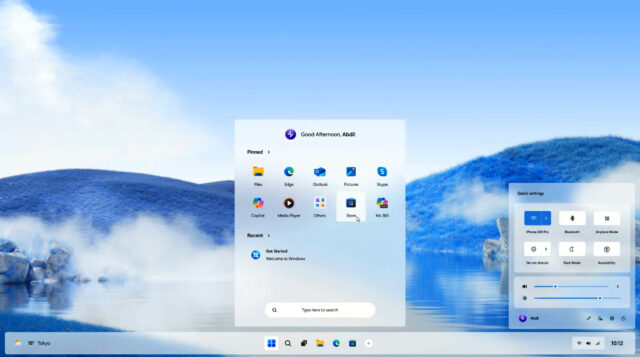
Microsoft is preparing to officially end support for Windows 10 later this year, marking the end of an era for one of the most widely adopted operating systems in the world. As free security updates and mainstream support wind down, users are faced with a critical decision: upgrade to Windows 11 or hold out for the anticipated—but still unconfirmed—Windows 12.
While extended security updates for Windows 10 will remain available beyond the official end-of-life date, they’ll come at a cost, primarily targeting enterprise users. For most individuals and small businesses, the retirement signals a forced migration to a newer platform designed with AI at its core.
Windows 11, with its sleek UI and AI-powered features like Microsoft Copilot, has been positioned as the default successor. Yet a significant portion of users remain hesitant, either due to hardware compatibility constraints or dissatisfaction with the newer OS’s performance and bloat.
Adding fuel to the fire is increasing speculation around Windows 12—a rumored next-generation operating system that may debut sometime in 2025. Though Microsoft has not confirmed its existence, leaks and concept designs have kept public interest high. One such concept, crafted by well-known designer Abdi (AR 4789), envisions a modern, AI-enhanced OS with a fully customizable taskbar and deep integration of smart features like Copilot. His designs have previously reimagined Windows XP, 7, and 10 with futuristic overhauls, captivating users longing for a more responsive, minimalist experience.
But it’s not just Microsoft capturing attention. Alternative operating systems such as ReactOS, Winhance 4, and even a Windows Vista 2025 Edition are gaining traction among users seeking lightweight, privacy-respecting, or bloat-free experiences—many of which address long-standing criticisms of Windows 11.
With official support for Windows 10 drawing to a close and the next chapter of Windows still shrouded in mystery, users and IT professionals alike are left at a crossroads: follow Microsoft’s prescribed upgrade path, explore alternatives, or hold out for a possibly revolutionary Windows 12.



Leave a Reply