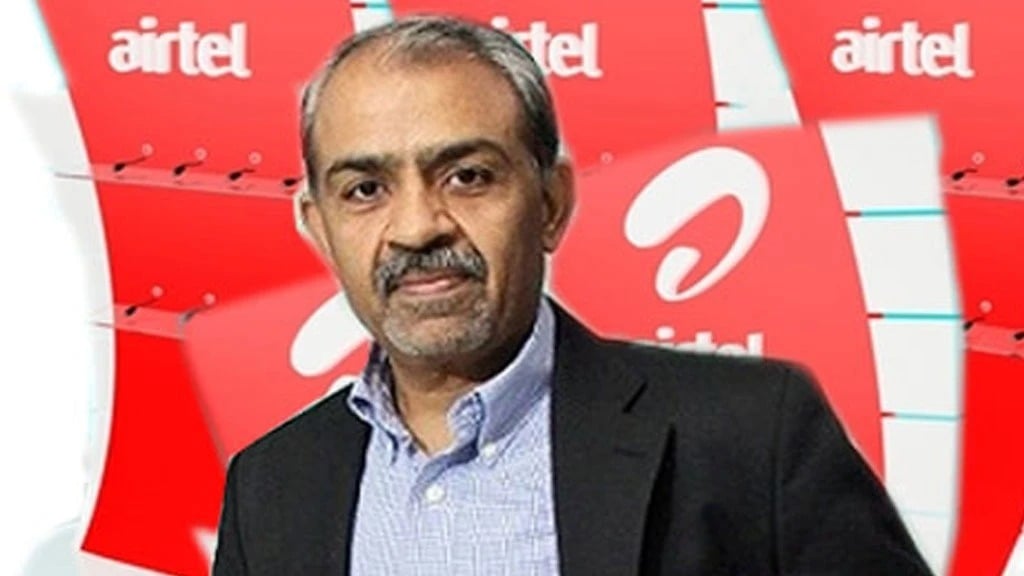
Airtel Africa, one of the continent’s leading telecommunications groups, has announced plans to establish major data centre hubs in Nigeria and Kenya as part of its broader strategy to strengthen Africa’s digital infrastructure and promote local data processing.
Chief Executive Officer Sunil Taldar disclosed the plan during the Mobile World Congress 2025 in Kigali, Rwanda, an annual gathering of global telecom leaders, innovators, and policymakers focused on how digital technology is transforming Africa’s economies.
Taldar said the new data hubs would serve as regional digital anchors, supporting innovations in cloud computing, fintech, and artificial intelligence (AI), while enabling local data storage and processing to reduce reliance on foreign servers.
“This initiative reflects our ambition to create a connected Africa one where data is processed locally, talent is developed nationally, and innovation is scaled globally,” Taldar said.
He emphasised that Africa’s next technological leap would depend on strategic partnerships, AI adoption, and investment in data centres, which he described as the “three pillars” of the continent’s future digital revolution.
“Africa’s digital decade has begun. The continent that once leapfrogged into mobile telephony is now ready to leap again into an era where every byte of data fuels productivity and every connection builds prosperity,” he added.
Strategic Investments Across Two Key Markets
Nigeria, Africa’s largest telecoms market by subscribers, remains Airtel’s biggest operational base, while Kenya is one of the continent’s most advanced digital economies with deep fintech adoption and supportive regulatory frameworks.
By situating data hubs in both countries, Airtel Africa aims to strengthen two strategic points in Africa’s digital value chain, ensuring improved data sovereignty, faster connectivity, and greater resilience across regional markets.
AI Integration and Network Optimisation
Taldar revealed that Airtel Africa has already begun deploying AI-powered systems across its operations from SMS spam detection and fraud prevention in mobile money transactions, to customer onboarding and energy optimisation at cell sites.
“Africa’s digital future needs AI to make networks smarter and greener, customer experiences more intuitive, and mobile money more secure,” he said. “It will also require a connected network of data centres linked by high-capacity fibre to unlock inclusive digital participation even in remote regions.”
Call for Collaboration
In his opening address at the Kigali summit, Rwanda’s President Paul Kagame praised Africa’s rapid progress in mobile connectivity and digital innovation but urged stakeholders to deepen cross-border cooperation in data regulation and digital payments.
“While the challenges that Africa faces are significant, they also offer great growth potential if we collaborate,” Kagame said. “Governments, the private sector, and other partners should harmonise policies and create the right environment for innovation. The future we must build is an Africa that is bold, connected, and competitive.”
Airtel Africa’s latest investment underscores a growing wave of infrastructure localisation sweeping across the continent, as telecoms operators race to meet surging demand for data, fintech, and AI services amid Africa’s fast-evolving digital economy.



Leave a Reply