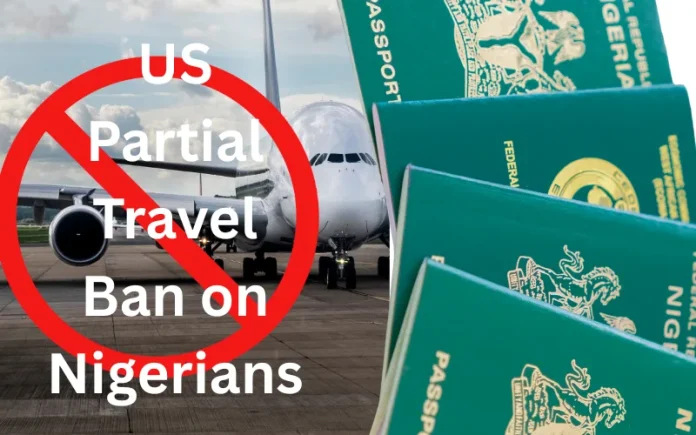
From January 2026, African founders, investors, executives, and freelancers face a new financial hurdle when traveling to the United States, as a revived US visa bond programme takes effect. Applicants from over 20 African countries, including Nigeria, Uganda, Tanzania, Senegal, Côte d’Ivoire, and Angola, must now post bonds of $5,000, $10,000, or $15,000 for short-term business and tourist visas (B1/B2), refundable only if they exit the US before their authorized stay ends. Most countries will begin implementation on January 21, 2026.
Applicants are required to complete a Department of Homeland Security (DHS) immigration bond form, make payment through the US Treasury’s online platform, and enter the country via designated airports in Boston, New York (JFK), or Washington Dulles. While the policy is intended to curb visa overstays, it could disproportionately affect Africa’s tech ecosystem, which relies heavily on US travel for fundraising, accelerator programs, partnerships, and conferences.
For early-stage African startups, where seed rounds typically range between $50,000 and $250,000, a $10,000 bond represents one to three months of working capital, potentially locking up vital funds. Companies sending multiple team members to US events may find it especially burdensome, and the policy could favor founders with international backing while limiting mobility for women and young entrepreneurs without sufficient liquidity.
The US remains a key source of capital for African startups, with US-linked venture funds participating in over a third of major deals in recent years. In-person engagement is crucial for investor due diligence, meaning the new visa bond requirement could deepen the gap between founders with existing US networks and those without. Accelerator programs, long viewed as gateways to Silicon Valley, may also reduce in-person participation for African founders due to the added financial strain.
While the Trump administration frames the policy as targeting visa overstays, its impact could ripple across Africa’s startup ecosystem, affecting mobility, capital access, and opportunities for founders seeking to scale globally.



Leave a Reply