
Nadayar Enegesi, an entrepreneur with a fervent commitment to Africa’s youth prosperity and quality of life, has embarked on a mission through Homemade by Eden Life to improve the lives of Africans. With a Bachelor of Science (B.Sc) degree in Computer Science from the University of Waterloo, Enegesi is actively pursuing his dreams by providing essential services such as food, self-care, home care, financial services, and entertainment. In this interview, he shares his insights into the world of food technology.
Q: Food technology has been rapidly evolving. Could you provide an overview of how it’s changing the way people approach cooking and dining?
A: Technology has always been a catalyst for doing more with less. In today’s fast-paced world where time is a precious commodity, food technology is revolutionizing the culinary landscape by making quality meals more accessible and convenient. From meal kit delivery services to advanced cooking appliances, technology empowers individuals to savor their favorite dishes without the time-intensive preparation.
Q: How does your brand contribute to the larger food technology ecosystem?
A: Homemade by Eden Life plays a significant role in the food tech ecosystem in multiple ways. From the consumer perspective, we’ve developed technology that simplifies access to delicious homemade food. Additionally, we’re creating tools to enhance the efficiency of food deliveries, opening up opportunities for other food businesses to utilize them. Our commitment to maintaining quality throughout our process, from ingredient sourcing and preparation to cooking and packaging, means we are actively supporting the ecosystem by providing access to our processes and facilities.
Q: In a country where hectic schedules are commonplace, how do you perceive the relationship between technology, culinary traditions, and the need for convenient dining options?
A: The relationship is symbiotic. Technology preserves culinary traditions by making them accessible to time-strapped individuals. While fast-paced lives might limit cooking time, technology bridges the gap by allowing people to savor traditional flavors through innovative solutions like ours, preserving the cultural importance of homemade meals.
Q: What challenges do you face as a food tech company in maintaining the balance between convenience and nutritional value?
A: The challenge for food tech companies lies in ensuring that convenience and affordability do not compromise nutritional integrity and vice versa. As the food tech landscape evolves, companies must find ways to sustain all three aspects to keep their customers satisfied. Striking the right balance necessitates continuous innovation, collaboration with nutritionists, and a commitment to delivering nourishing options.
Q: Research shows that many career-oriented individuals have demanding roles. How does the food technology industry contribute to their well-being and work-life balance?
A: To lead fulfilling lives and excel in their careers, these individuals must fuel their bodies properly. It’s easy to fall into the trap of working hard while neglecting one’s diet. At Eden Life, we understand that people’s hectic schedules often lead to unhealthy eating habits. By offering them the convenience of quick and wholesome food, we prioritize providing nourishment that enhances their well-being. Nutrition is paramount; it’s not just about making food, but making good food. We also collaborate with companies to offer healthy meals to their employees at their workplaces.
Q: As the food tech sector expands, what innovations do you foresee that could redefine how Nigerians dine in the future?
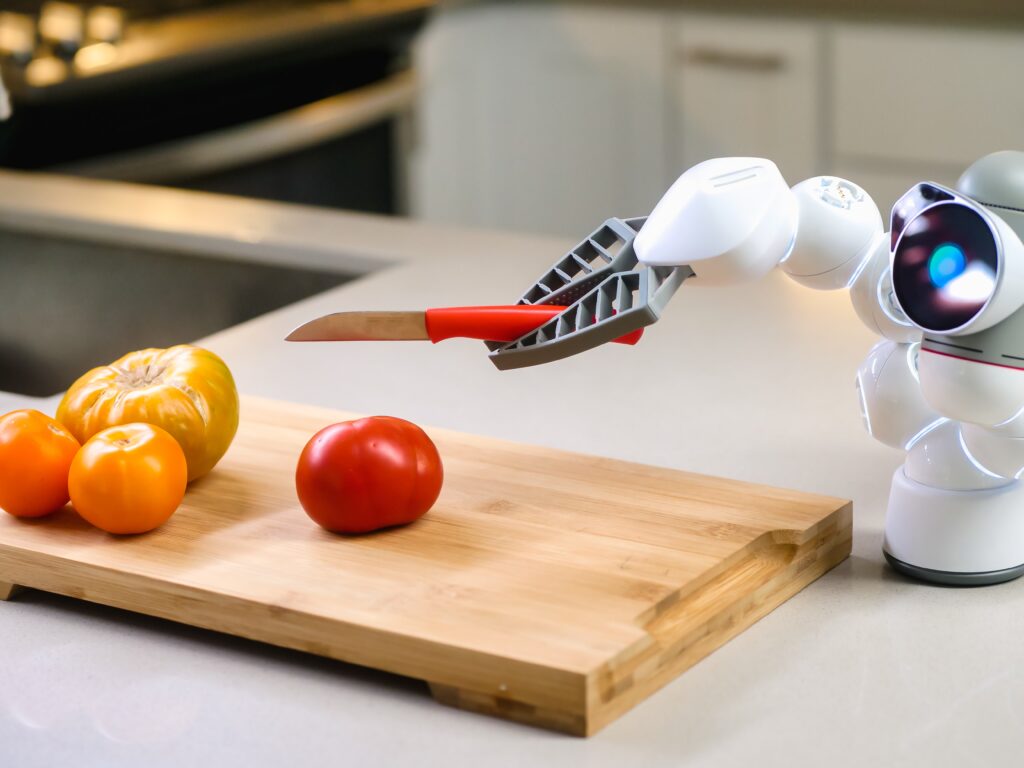
A: Future innovations in the food tech sector may revolutionize how we prepare food. Imagine machines capable of preparing labor-intensive dishes like pounded yam to the same quality as manual preparation. Additionally, advancements in sustainable sourcing and reduced food waste could contribute to a more eco-conscious and efficient food chain. An open-source database of Nigerian recipes and ingredients could also bring our diverse culinary culture closer to everyone.
Q: The integration of Artificial Intelligence, data analytics, and sustainable sourcing could reshape the industry. What are your thoughts on this?
A: The integration of AI, data analytics, and sustainable sourcing holds immense potential to reshape the food industry. AI-powered recipe recommendations and personalized nutrition plans may become mainstream, enhancing the dining experience. An open-source database of Nigerian recipes and ingredients, as mentioned earlier, would promote culinary diversity. Moreover, sustainable sourcing and reduced food waste can contribute to a more eco-conscious and efficient food chain, benefitting both consumers and the environment.
Q: Nigeria’s food service market is competitive. How do you plan to build and maintain customer trust and loyalty, especially considering the importance of hygienic food preparation?
A: Indeed, Nigeria’s food service market is dynamic and competitive. At Homemade by Eden Life, trust and loyalty are paramount to our mission. We prioritize safety, quality, and hygienic food preparation as the cornerstones of our strategy. Transparency is central to our approach, and we strive to maintain open and honest relationships with our customers. We share information about our sourcing practices, ingredient quality, and stringent hygiene measures at our kitchen facilities. Our commitment to adhering to the highest industry standards for food safety, sanitation, and temperature controls ensures that we not only meet but exceed hygiene regulations. By doing what we promise and focusing on food safety, we aim to earn and solidify our customers’ trust.



Leave a Reply