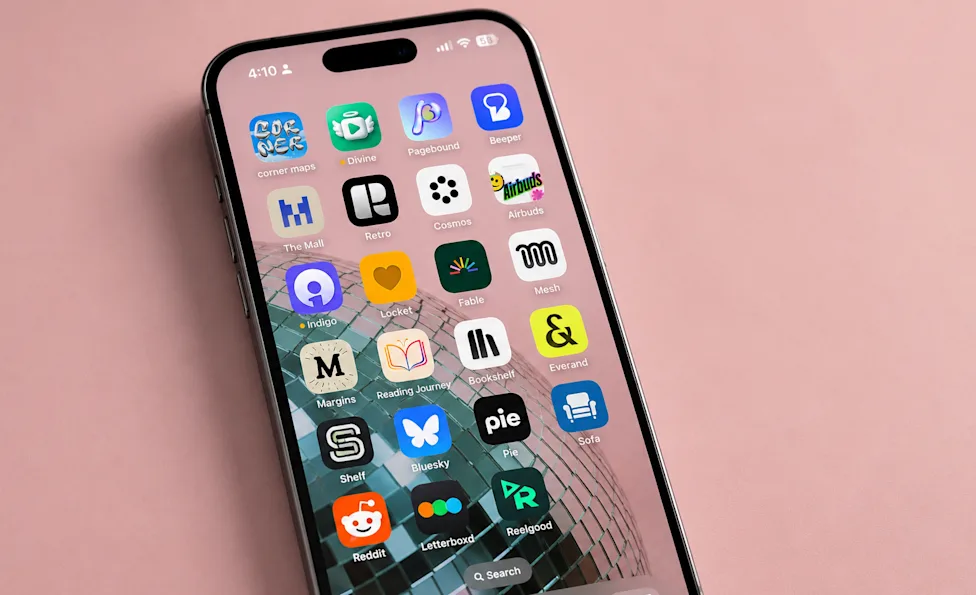
A growing ecosystem of startups is reshaping how people connect online, offering alternatives to dominant platforms like Meta, Google, Snap Inc., TikTok, and X, as users increasingly look for smaller, more personal digital communities.
For years, mainstream social networking has been defined by giants such as Instagram, Facebook, WhatsApp, YouTube, Snapchat, TikTok, and X. But a new generation of apps is emerging with a different philosophy—focusing less on mass broadcasting and more on intimacy, creativity, and niche communities.
Many of these platforms are particularly popular among Gen Z users, who are more open to experimenting with new digital spaces compared to older users who already have established networks on traditional platforms.
New Apps Redefining Social Media
One of the standout apps is Retro, developed by former Instagram employees. It focuses on private photo sharing among close friends, allowing users to organise memories into albums and selectively control who sees their content.
Cosmos offers a visually driven “inspiration space” where users can explore ideas through images, colours, and keywords, blending social networking with creative discovery and even shopping features.
Indigo caters to users interested in decentralised social networks by combining access to both Mastodon and Bluesky in a single interface, allowing cross-posting and unified timelines.
Corner reimagines location-based discovery, describing itself as “Google Maps but social.” Users curate and share lists of favourite places, from nightlife spots to bookstores and hidden food gems.
The revived short-video platform Divine brings back the spirit of Vine by hosting archived clips and allowing creators to produce six-second videos once again, attracting both nostalgic users and original creators.
Mesh, meanwhile, takes a different approach by acting as a “social address book,” tracking updates from professional contacts and helping users maintain relationships through reminders and network insights.
Social Platforms Built Around Interests
Book lovers are being drawn to Fable, a community reading app that combines e-book access with virtual book clubs and social reviews, integrated with subscription reading services.
Locket brings social interaction directly to smartphone home screens, allowing friends to share real-time photos through widgets, creating a more immediate and personal connection.
Music-focused app Airbuds builds a social network around listening habits, enabling users to share streaming activity, react to friends’ music, and compare taste profiles.
Lifestyle, Shopping, and Personal Taste Networks
The Mall transforms online shopping into a social experience by allowing users to follow brands, curate fashion collections, and discover products through friends’ digital “closets.”
Shelf focuses on helping users organise their personal taste across music, films, books, and other media, offering private-by-default profiles that prioritise reflection and discovery over popularity metrics.
A Shift Away From Traditional Social Media
Across these emerging platforms, a common theme is clear: a move away from algorithm-heavy, attention-driven social media toward more intentional, interest-based, and private digital experiences.
Rather than competing directly with Big Tech on scale, these apps are redefining what social networking can look like—smaller communities, deeper engagement, and more control over personal digital identity.
As users increasingly seek alternatives to traditional platforms, this new generation of social apps suggests that the future of online interaction may be less about mass virality—and more about meaningful connection.



Leave a Reply