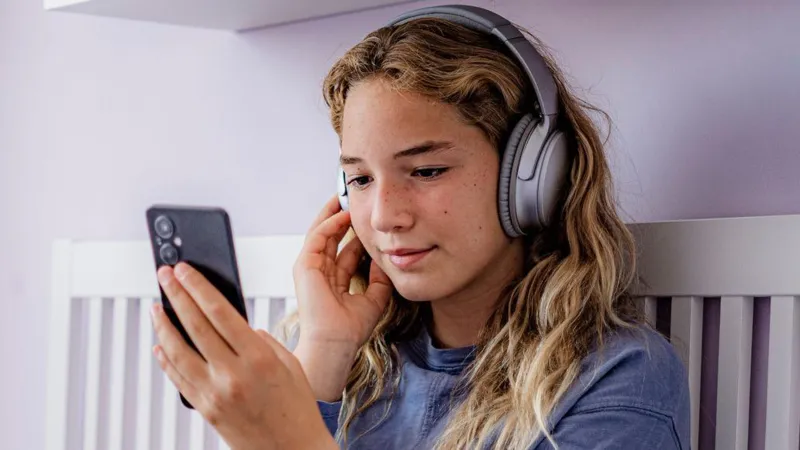
A 12-year-old Australian boy, “James,” recalls a terrifying experience on Snapchat that left him questioning his safety and the impact of social media on his life. After a disagreement with a friend, he was added to a group chat with older teens, only to be bombarded with violent messages and threats. “I felt really scared to be honest,” James says. His story highlights the rising concerns over cyberbullying and the dangers of unsupervised online spaces, fueling the Australian government’s push for a landmark social media ban on children under 16.
Prime Minister Anthony Albanese has described the proposed ban as “world-leading,” aiming to protect children from the harmful effects of platforms like Facebook, Instagram, TikTok, and X. Under the new legislation, tech companies that fail to comply with the ban could face hefty penalties, but some critics argue that restricting access may push children into unregulated corners of the internet. Experts warn that while a ban might be part of the solution, it is not enough on its own.
While parents like James’ mother, Emma, support the move, others, including digital behavior experts, caution that education on online safety and critical thinking could be more effective. Critics also question the feasibility of enforcing age verification and protecting privacy.
As Australia takes a bold step in regulating children’s access to social media, the question remains: will this ban protect young Australians, or is it too blunt an instrument for such a rapidly evolving digital world?



Leave a Reply