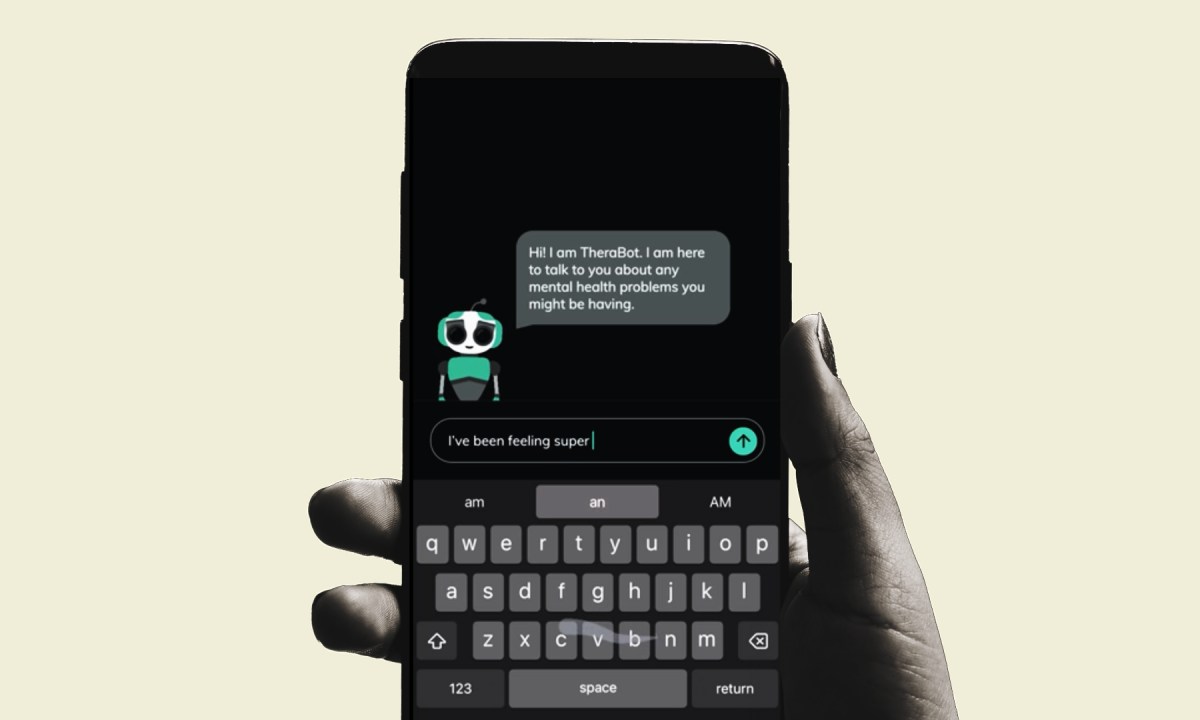
Dartmouth College researchers have conducted the first clinical trial of an artificial intelligence (AI) chatbot designed for mental health assistance. The chatbot, called Therabot, demonstrated promising results in reducing symptoms of depression and anxiety among participants across the United States, according to a study published in the New England Journal of Medicine – Artificial Intelligence (NEJM AI).
Encouraging Results Comparable to Therapy
The trial, led by Dartmouth’s Geisel School of Medicine, evaluated Therabot’s effectiveness over a period of four to eight weeks among adults diagnosed with major depressive disorder (MDD), generalized anxiety disorder (GAD), and individuals at high risk for eating disorders (CHR-FED). Participants reported significant improvements, with a 51% average reduction in depression symptoms and a 31% decrease in generalized anxiety.
“The improvements in symptoms we observed were comparable to what is reported for traditional outpatient therapy, suggesting this AI-assisted approach may offer clinically meaningful benefits,” said Nicholas Jacobson, associate professor of biomedical data science and psychiatry at Dartmouth’s Geisel School of Medicine.
In cases of individuals at risk of eating disorders, the chatbot helped reduce harmful thoughts related to body image by approximately 19%. Some participants even reported anxiety levels dropping below the clinical threshold for diagnosis.
Bridging the Gap in Mental Health Care
Jacobson emphasized that AI tools like Therabot could help bridge the gap in mental health services, particularly for individuals who lack access to in-person therapy.
“There is no replacement for in-person care, but there are nowhere near enough providers to go around,” Jacobson noted, adding that AI-driven assistance could complement traditional therapy and improve accessibility.
Michael Heinz, an assistant professor at the Geisel School of Medicine and lead author of the study, highlighted that AI chatbots have the advantage of being available at all times, allowing users to engage with therapeutic tools in real time.
Caution and Ethical Concerns
Despite its potential, experts caution that AI-driven mental health tools must be carefully monitored to avoid harmful consequences. In recent years, chatbots from companies such as Character.AI and Google have faced scrutiny after incidents involving harmful or inappropriate responses.
“When it comes to mental health counseling, the margin for error is small,” the researchers warned. They stressed the importance of human oversight in fine-tuning AI responses to ensure safety, particularly for individuals at risk of self-harm.
While AI is increasingly integrated into healthcare, the study’s authors recommend vigilance and ongoing improvements to ensure these tools provide safe and effective support to those in need.



Leave a Reply