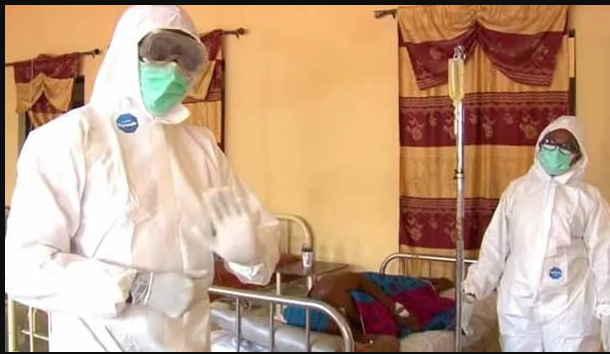
The Nigeria Centre for Disease Control and Prevention (NCDC) has confirmed that Lassa fever claimed 118 lives in the first quarter of 2025, as the country continues to battle the deadly viral infection.
According to the latest NCDC report, hundreds of suspected and confirmed cases have been recorded between January and March, with Edo, Ondo, and Bauchi states identified as the hardest-hit regions. The outbreak has raised fresh concerns over Nigeria’s capacity to contain the virus, which resurfaces annually, particularly during the dry season.
Rising Infections and Public Health Concerns
Lassa fever, an acute viral hemorrhagic illness, is primarily spread through contact with food or household items contaminated by rodent excreta. Human-to-human transmission is also possible through direct contact with infected bodily fluids.
Health officials have attributed the rising number of infections to increased rodent activity, inadequate sanitation, and delayed medical intervention in rural communities. The disease, which can lead to organ failure and internal bleeding in severe cases, remains a major public health challenge in Nigeria.
Government and Health Agencies Respond
In response to the outbreak, the NCDC has intensified surveillance efforts and deployed rapid response teams to affected states. Public health campaigns emphasizing preventive measures—such as proper food storage, rodent control, and improved hygiene—have also been launched to curb further spread.
Dr. Ifedayo Adetifa, NCDC Director-General, stressed the importance of early medical intervention. “The government is committed to strengthening disease surveillance, ensuring timely diagnosis, and providing treatment for those affected,” he stated.
Call for Stronger Health Infrastructure
Medical experts warn that without sustained investment in healthcare infrastructure, Nigeria will continue to struggle with recurrent Lassa fever outbreaks. Calls for increased funding, better diagnostic facilities, and greater public awareness have intensified.
As authorities work to contain the spread of the disease, health officials urge Nigerians to remain vigilant, seek medical attention at the first sign of symptoms, and adopt preventive measures to mitigate future outbreaks.
source: vanguardngr.com



Leave a Reply