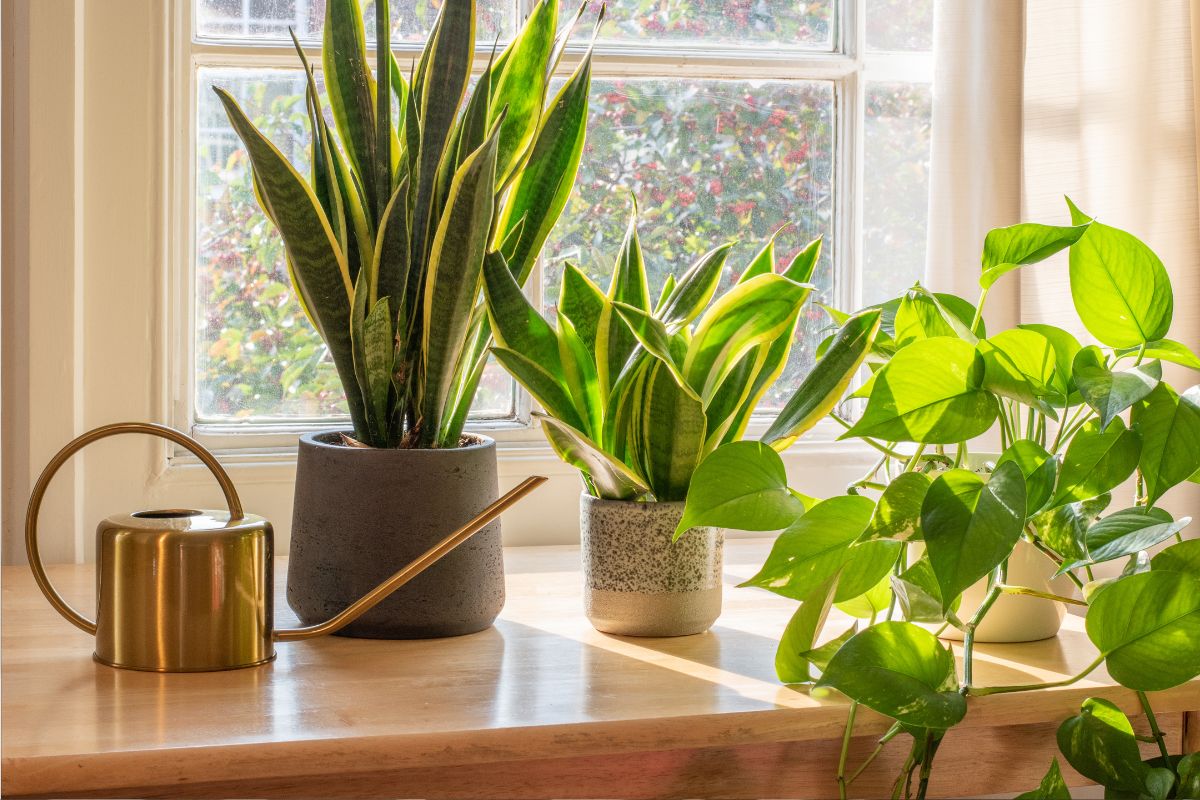
Houseplants are enjoying a renaissance — not only as interior design staples but as natural air improvers. While their aesthetic appeal is undeniable, certain indoor plants can also help combat stale air, cool spaces during warmer months, and in some cases, even repel insects. And though their role as natural air purifiers is often debated, emerging biotech innovations are working to amplify their impact.
Can Houseplants Really Purify Air?
The short answer: yes — but not dramatically. Multiple studies, including one by NASA, have shown that common houseplants can absorb harmful volatile organic compounds (VOCs) such as formaldehyde and benzene. However, researchers stress that for meaningful air quality improvements, one would need dozens — if not hundreds — of plants in a single space.
That hasn’t stopped innovators from pushing the envelope. Biotech startup Neoplants claims it has engineered microbiome-enhanced houseplants that can clean indoor air up to 30 times more efficiently than their unaltered counterparts.
Still, experts agree: while houseplants shouldn’t replace air purifiers, they are a healthy and decorative addition to any home. Here are four plants with proven air-cleansing properties.
Top Houseplants for Air Purification
1. Marble Queen Pothos (Epipremnum aureum)
Also known as Devil’s Ivy, this robust vine is a favorite among first-time plant parents for its resilience. More importantly, it’s one of the most effective houseplants for filtering airborne toxins like formaldehyde, benzene, and toluene.
Its low-maintenance nature — needing water only every 7 to 10 days — and high tolerance for indirect light make it an ideal indoor companion. However, it’s toxic to pets if ingested.
Fun fact: Neoplants chose pothos for its enhanced air-cleaning system, reportedly giving it the power of 30 ordinary plants.
2. Peace Lily (Spathiphyllum)
With its elegant white blooms, the peace lily adds tranquility to any space while removing pollutants such as carbon monoxide and formaldehyde. It thrives in low light, but does require regular watering to flourish.
Despite its benefits, the peace lily is mildly toxic to pets and children if consumed.
3. English Ivy (Hedera helix)
This classic climber isn’t just a staple in English gardens. According to NASA’s Clean Air Study, English ivy excels at absorbing formaldehyde and airborne fecal particles — a useful trait in households with pets or small children.
Like many others on this list, however, it’s toxic to animals and should be kept well out of reach.
4. Gerbera Daisy (Gerbera jamesonii)
Bright, colorful, and surprisingly powerful, the gerbera daisy filters out chemicals like trichloroethylene and benzene — common in cleaning agents and solvents. These cheerful plants love direct sunlight and benefit from consistent watering.
Their striking blooms bring vibrancy to a room while working quietly in the background to freshen the air.



Leave a Reply