The days of hunting for an outlet in airports and cafes are rapidly drawing to a close. In 2025, a fierce competition among technology giants has led to a remarkable breakthrough in laptop endurance, with new review data showing elite machines capable of running for an astounding 15 to 25 hours on a single charge. This seismic shift driven largely by highly efficient ARM-based processors from both Qualcomm and Apple is redefining portability for students, professionals, and global travelers.
Here are the Top 5 Laptops with the Longest Battery Life in 2025, which are changing the landscape of mobile computing:
- HP OmniBook X: The New Endurance Champion
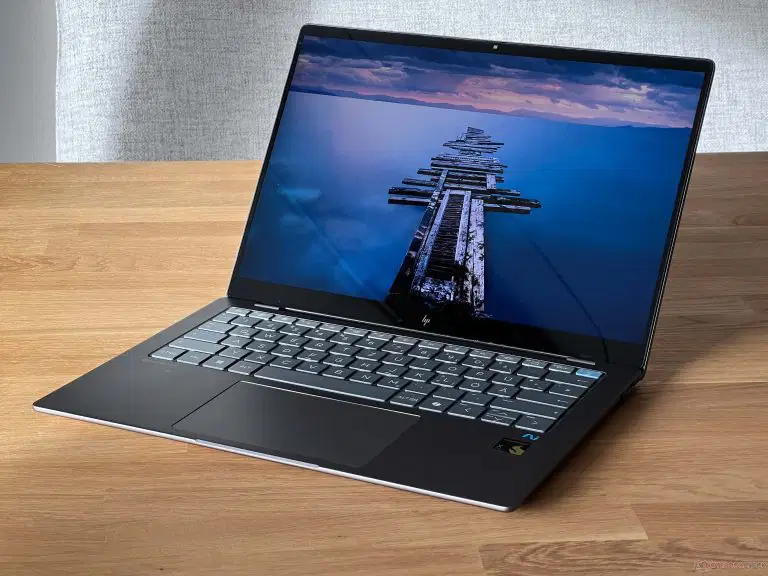
The biggest surprise winner of the year is the HP OmniBook X, which has captivated reviewers by demonstrating real world battery life between a jaw dropping 16 and 25 hours. The secret behind its record breaking stamina lies in the new Snapdragon X Elite ARM chip.
This next generation processor is engineered for extreme power efficiency without sacrificing speed. Weighing less than three pounds and featuring a vivid 14-inch OLED screen, the OmniBook X positions itself as the ultimate all day companion for those who demand a light, smart, and relentlessly reliable machine. - Dell Inspiron 14 Plus 7441: The Endurance King
Not all marathon runners need a premium price tag. The Dell Inspiron 14 Plus 7441 has earned the nickname “endurance king” after stunning tests, lasting over 23 hours in video playback scenarios.
This model strikes an exceptional balance between strong performance and affordability, making it a powerful contender for students and office workers. By integrating the highly efficient Snapdragon technology, Dell has delivered a machine that offers elite-level battery endurance at a mid-range price, democratizing all-day computing. - MacBook Pro 16-inch (M4 Pro): Power Meets All Day Stamina
Apple has once again raised the bar for professional-grade machines with the new MacBook Pro 16-inch (M4 Pro). Combining a substantial battery with the company’s ultra efficient M4 Pro chip, this powerhouse lasted nearly 21 hours in recent tests.
For creators, video editors, and designers, the 16-inch Pro means desktop level processing power is now coupled with nearly a full day of untethered work. Its exceptional stamina ensures that high demand creative tasks no longer mandate a constant search for a power outlet. - Dell XPS 13 (2024 Snapdragon model): The Sleek Traveler’s Favorite
A second Dell model secures a top spot: the Dell XPS 13 (2024 Snapdragon model), which achieved nearly 20 hours of browsing in real-world endurance tests. Known for its thin, light, and stylish chassis, the XPS 13’s new-found longevity comes from its embrace of ARM-based Snapdragon technology, significantly reducing power consumption compared to older Intel-based counterparts. This is a clear favourite for traveling professionals who require a device that can endure long flights, back-to-back meetings, and extended work sessions away from the desk. - MacBook Pro 14-inch (M4): Portable Powerhouse
For users prioritizing portability without significant compromise, the MacBook Pro 14-inch (M4) remains a stellar choice. Achieving more than 18 hours of battery life in reviews, this compact machine proves that excellent performance and marathon-level endurance can coexist in a smaller form factor. Its lightweight design, powered by the energy-efficient Apple M4 silicon, makes it the ideal machine for professionals who constantly move between workspaces.
The ARM Architecture Revolution
The common thread uniting many of this year’s top performers is the adoption of ARM-based processors, notably Qualcomm’s Snapdragon X Elite and Apple’s M-series chips. Unlike traditional x86 chips, these architectures are fundamentally designed for efficiency, enabling laptops to sip power rather than guzzle it.
As companies continue to integrate this high-efficiency technology, the average laptop’s battery life is set to climb higher, promising a future where a laptop charger is an accessory, not a necessity.



Leave a Reply