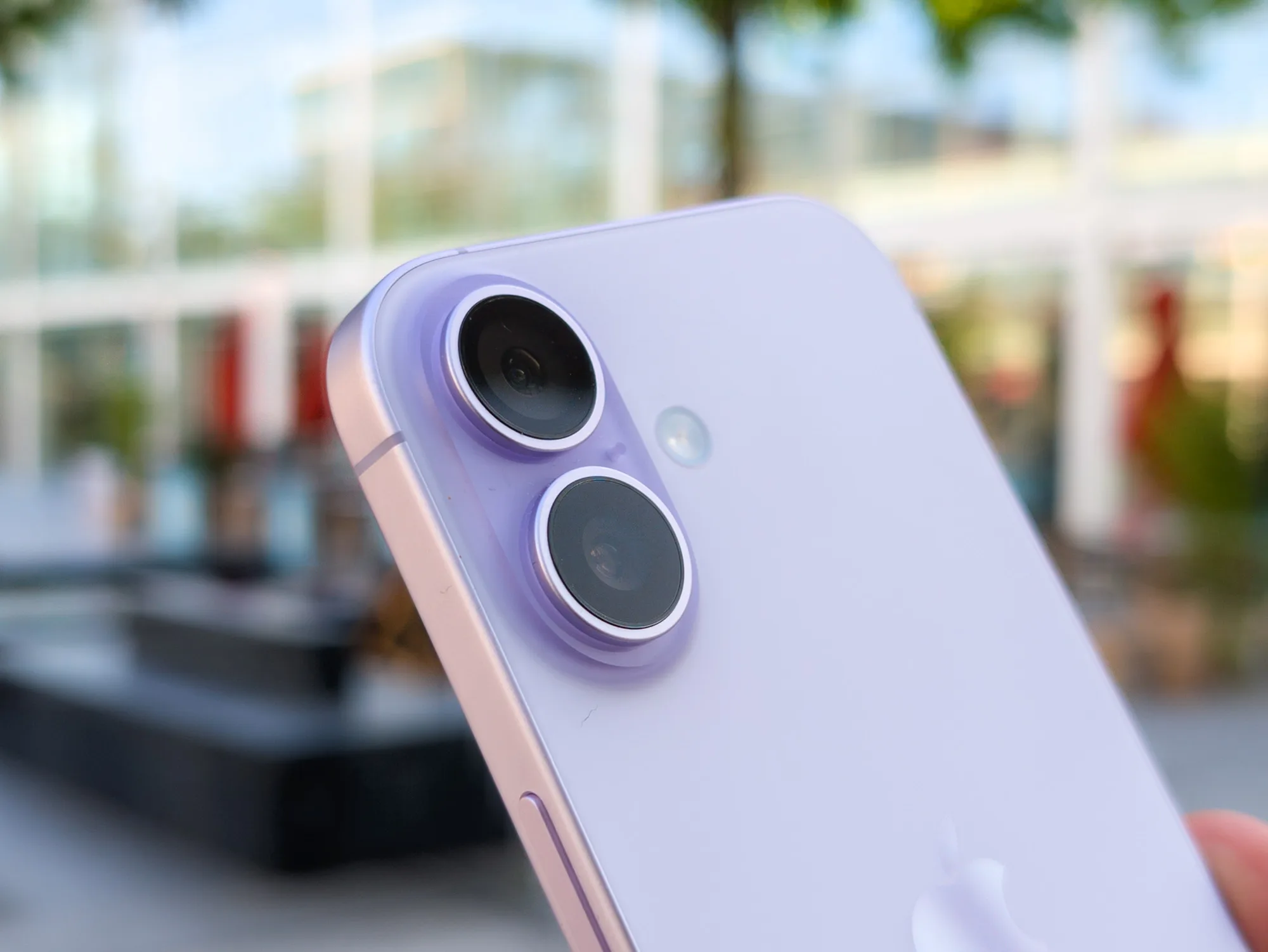
For years, the iPhone has dominated smartphone videography, setting the benchmark for cinematic video quality, colour accuracy and consistency. However, in 2026, the gap has narrowed significantly. A new wave of flagship Android devices is now challenging — and in some cases surpassing — the iPhone 17 in cinematic video capture.
From advanced LOG profiles and larger sensors to improved stabilisation and 8K recording, here are eight smartphones widely regarded by reviewers and content creators as delivering cinematic video output that rivals Apple’s latest flagship.
1. Samsung Galaxy S26 Ultra
The Galaxy S26 Ultra stands out as one of the most complete cinematic video phones currently available. Equipped with a 200MP main sensor, advanced AI processing and 8K recording capabilities, it offers creators exceptional flexibility in post-production. Its multi-lens setup ensures seamless transitions between focal lengths, making it ideal for documentary-style filming and travel content.
2. Xiaomi 17 Ultra
Designed with filmmakers and photography enthusiasts in mind, the Xiaomi 17 Ultra features a large 1-inch main sensor that captures impressive light detail and natural depth. Leica colour tuning and 10-bit LOG video support deliver a cinematic look, particularly in controlled lighting environments where grading flexibility is key.
3. Vivo X300 Ultra
Vivo continues to push boundaries in mobile videography. The X300 Ultra is praised for its gimbal-like stabilisation system and strong low-light video performance. It excels in handheld cinematic shooting, making it a favourite among vloggers and mobile filmmakers.
4. Oppo Find X9 Pro
The Oppo Find X9 Pro places heavy emphasis on cinematic colour science. With Dolby Vision recording and Hasselblad-tuned colour profiles, it produces film-like tones straight out of the camera. It is particularly suitable for creators seeking high-quality footage with minimal post-production.
5. Google Pixel 10 Pro XL
Google’s strength lies in computational video processing. Although it may not lead in raw hardware specifications, AI-driven stabilisation and impressive colour accuracy make the Pixel 10 Pro XL highly reliable for cinematic social content and everyday filmmaking.
6. Motorola Razr Ultra (2026)
Motorola’s foldable flagship delivers surprisingly strong cinematic capabilities, including Sony-powered LOFIC sensors and 8K video recording. Its flexible form factor and creative shooting modes make it appealing for experimental and dynamic filmmaking.
7. Honor Magic8 Pro
The Honor Magic8 Pro offers IMAX-enhanced video modes and robust HDR performance. Its cinematic appeal lies in contrast-rich footage and smooth motion rendering, especially in fast-paced scenes.
8. OnePlus 15 Pro
OnePlus has significantly upgraded its video pipeline with LOG recording, improved stabilisation and consistent colour science. The OnePlus 15 Pro is now a serious contender for creators seeking a flagship video experience outside Apple’s ecosystem.
As competition intensifies, filmmakers and content creators now have more choices than ever before. While the iPhone 17 remains a strong benchmark, these Android flagships demonstrate that cinematic mobile videography is no longer Apple’s exclusive domain.



Leave a Reply