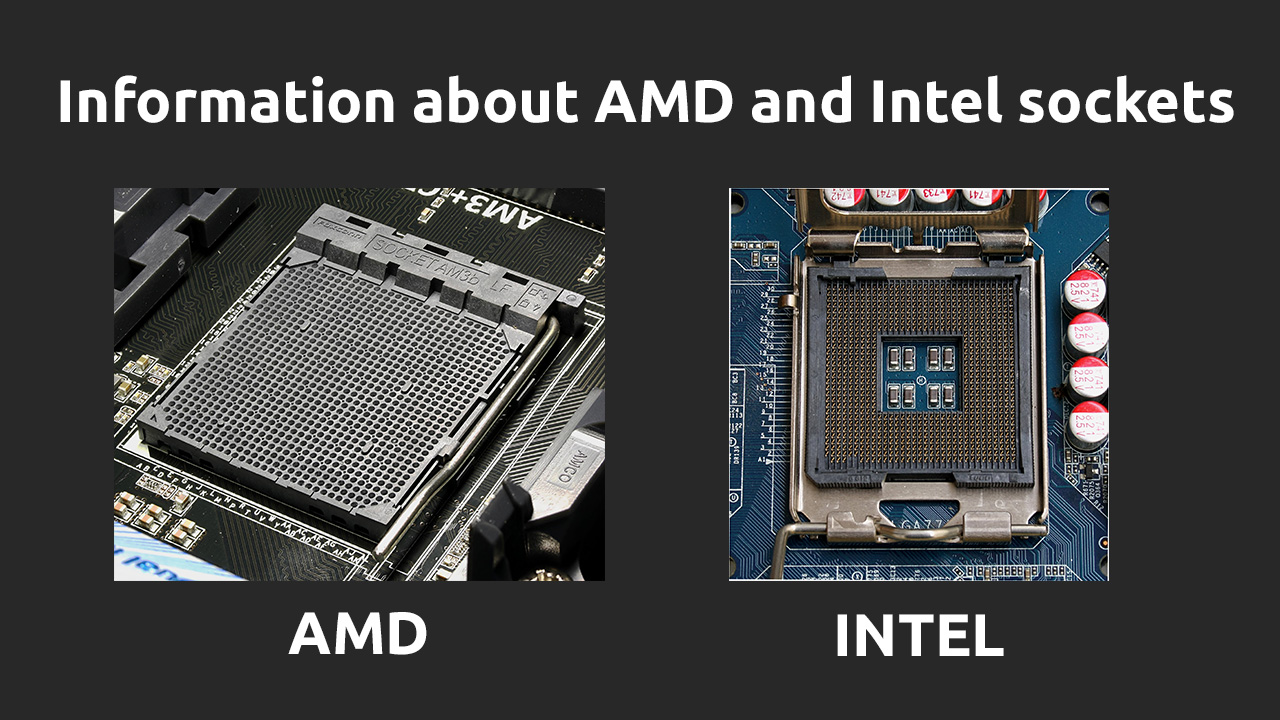
At the time of their release, Intel’s socket designs were not proprietary, meaning the company had not yet restricted third-party CPU makers from using the same socket interface. This open approach allowed AMD, Cyrix, and others to design processors that were electrically and physically compatible with Intel’s platforms.
Socket 5 and especially Socket 7 became de facto industry standards thanks to this openness, enabling widespread cross-brand compatibility. It wasn’t until Intel’s shift to Slot 1 in 1997—and its decision to stop sharing socket designs—that the market saw a hard split, leading AMD to eventually develop its own platforms.
In short: the industry was less locked down, and Intel’s designs were still accessible, which created a brief window where multiple CPU brands could share a common socket.



Leave a Reply